Technical Guides, News & Industry Insights
Engineering articles, project news and industry analysis from Lozzar Process.
Drying Pulp Mill Sludge with Belt Dryers: Moisture Targets, Energy Integration and Emission Control
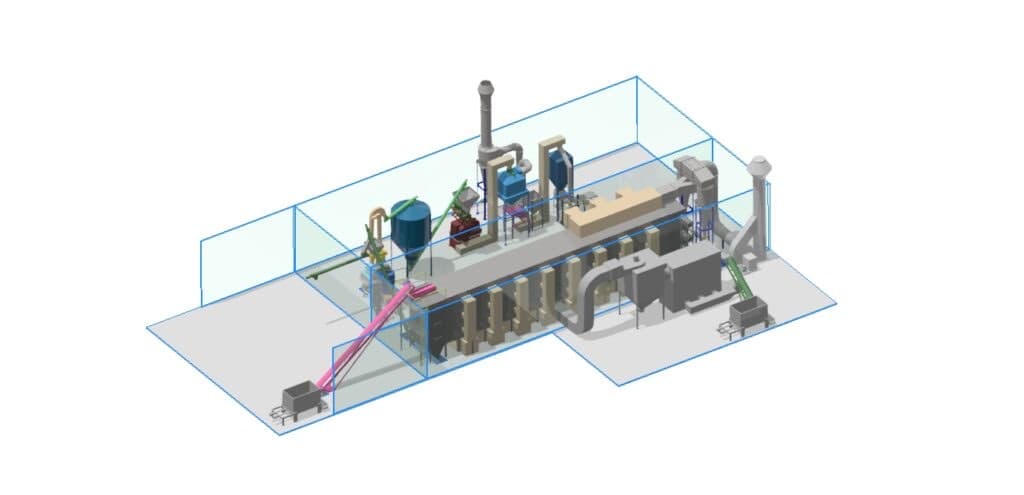
Pulp mill wastewater treatment produces primary and secondary sludge with 55–75% moisture — too wet to combust efficiently, too costly to landfill in volume. Belt dryers bring it to 10–15% moisture using low-grade heat from the same boiler plant that powers the mill. The economics work when you stop treating sludge disposal as a cost line and start treating it as a fuel recovery problem.
Wood Chip and Bark Drying in Paper and Forest Product Plants: Dryer Selection, Fire Risk and Throughput Design
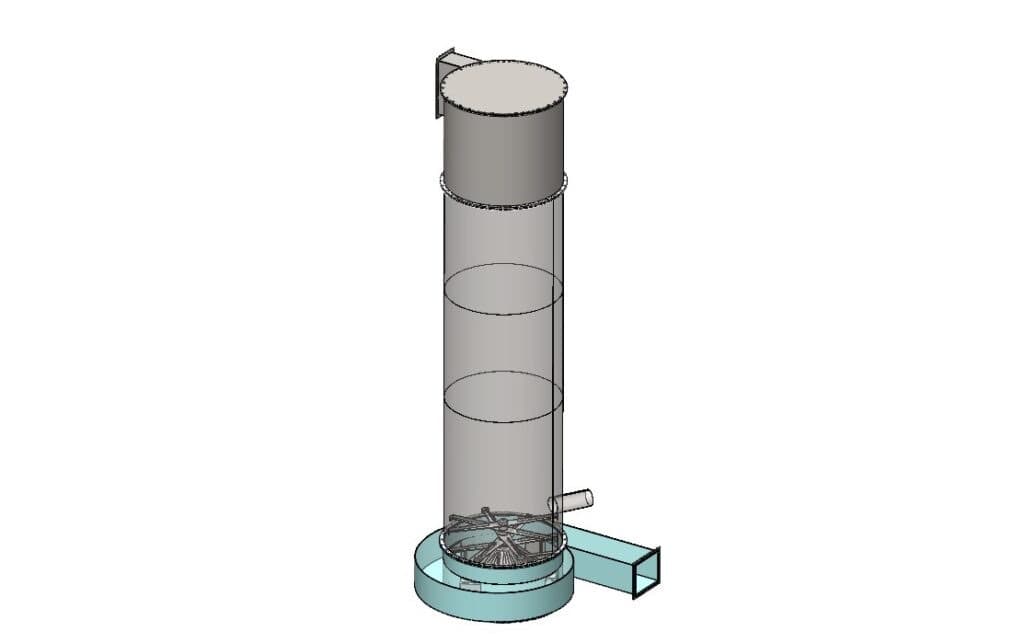
Wood chips and bark arrive at paper and forest product facilities at 40–60% moisture — a condition that penalises both combustion efficiency and pellet quality. Closing that gap to 10–15% is a drying engineering problem with three viable technology paths (rotary, flash, belt) and one non-negotiable constraint: the fire and explosion risk of dried fibrous wood dust in contact with hot drying media. Here is how to think through the selection.
Drying Equipment in Mining and Minerals Processing: What Engineers Are Actually Specifying in 2026
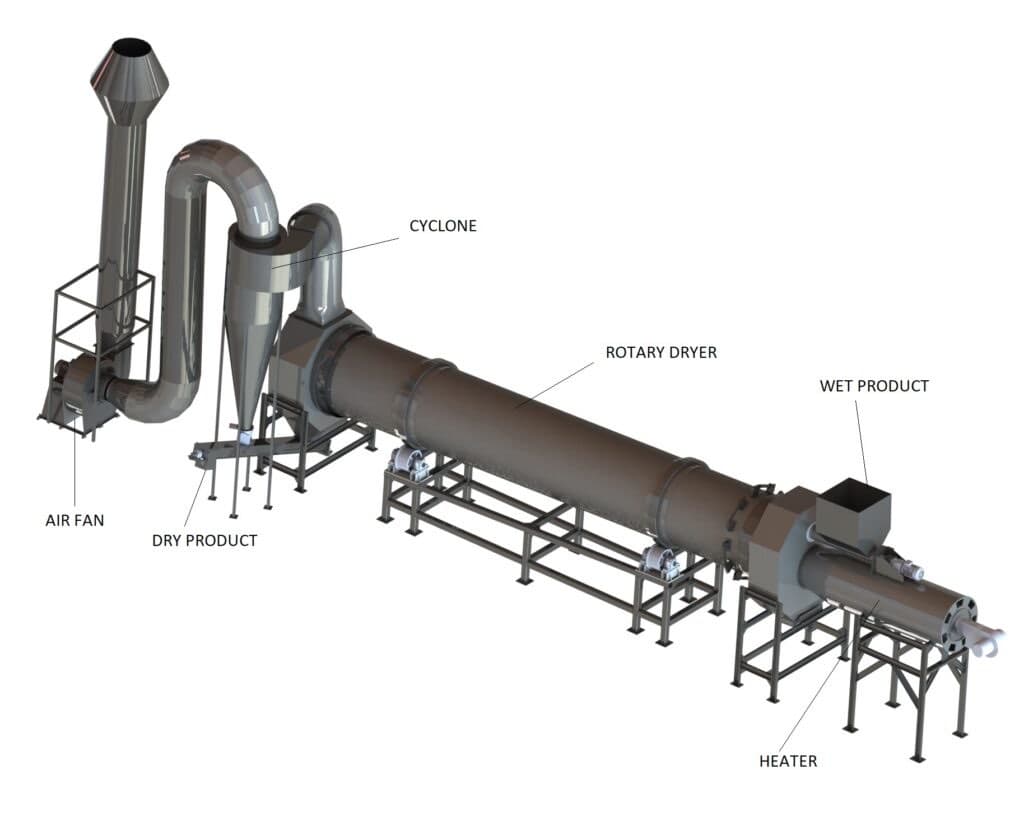
A simple rotary dryer specification no longer gets a minerals processing project approved in 2026. Energy cost pressure, IED emission limits, and 10-year lifecycle cost requirements have changed what a complete procurement package looks like. Here's what's actually being specified — and why.
Rotary Dryer Selection Guide: How to Choose and Specify the Right Drum Dryer
Rotary drum dryers are the workhorse of bulk solid drying — but specifying one correctly takes more than just sizing a cylinder. This guide walks you through the material suitability checks, heating mode decisions, and the exact process data you need to get an accurate quote.
Rotary Dryer for Potash Processing Commissioned in Three Days — A Romania Project Story
The client's target was 35 t/h of dried potash at 0.3% moisture — consistently, every shift. The previous contract supplier had estimated 7 days for commissioning. Lozzar Process delivered rated throughput on day one, specification moisture on day two, and handed the system over on day three.
MVR vs Multi-Effect Evaporation: The Break-Even Analysis Every Chemical Plant Needs in 2026
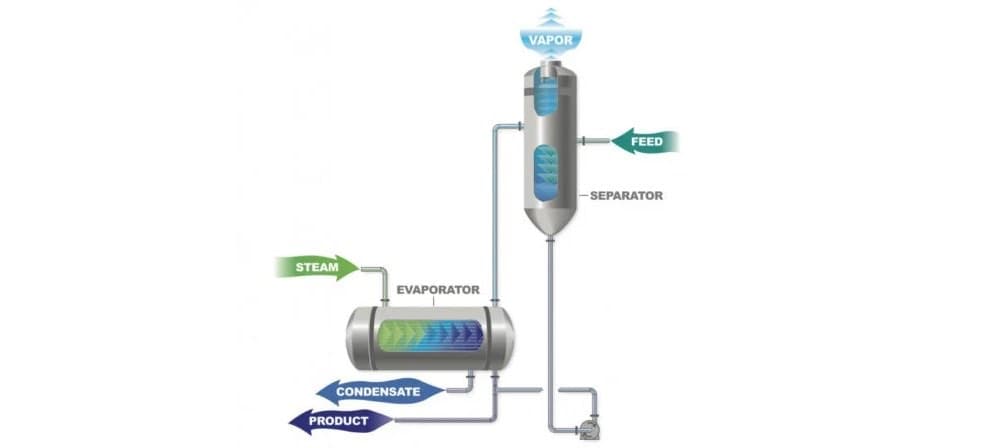
A chemical plant evaporating 10 t/h of water on a single-effect unit is spending €600,000–900,000 per year on steam — at current European gas prices. MVR can cut that by 85%. Triple-effect can cut it by 65%. The question is which one is right for your application — and the answer depends on five specific parameters, not just energy price.
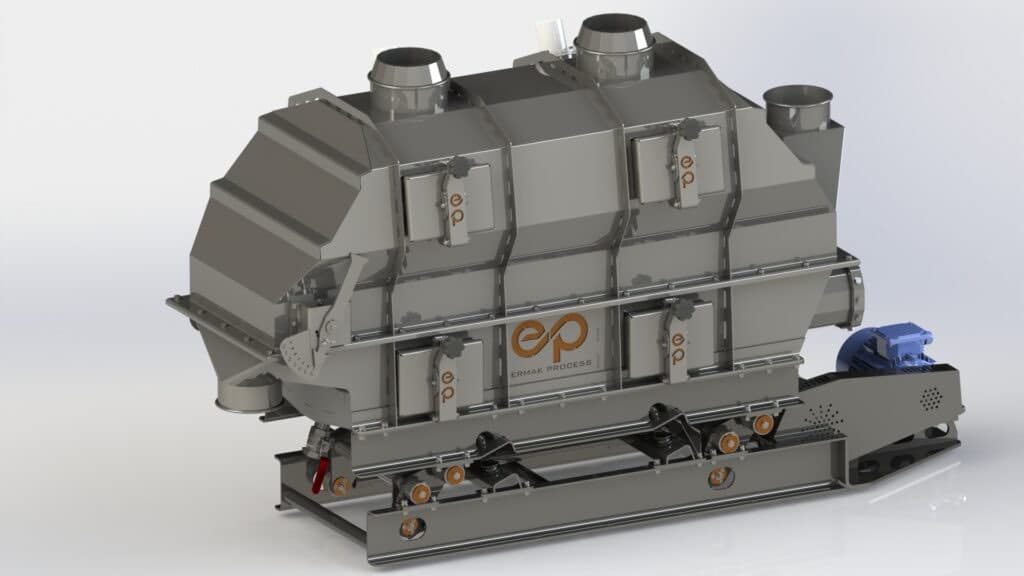
Fluidized Bed Dryer vs Rotary Dryer: A No-Nonsense Comparison for Process Engineers
Both technologies dry bulk solids. Both are mature and proven. But they're not interchangeable — and choosing the wrong one can mean years of fighting your dryer instead of running it. This comparison cuts through the noise so you can make the right call quickly.
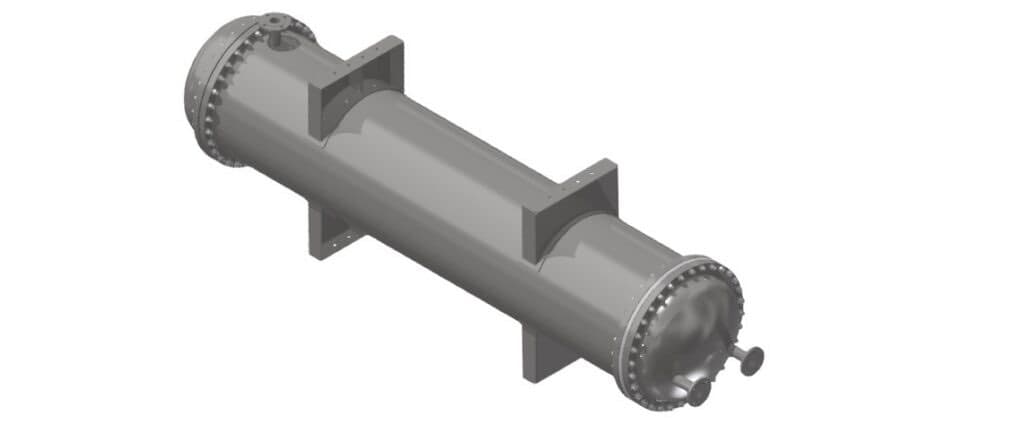
What ISO 9001:2015 Actually Means When You're Buying a Dryer from Istanbul
Ermak Proses has just renewed its ISO 9001:2015 certification through February 2028, with zero major non-conformances in the Bureau Veritas audit. But beyond the certificate, here's what quality management certification actually means in practice for European buyers placing orders with a Turkish manufacturer.
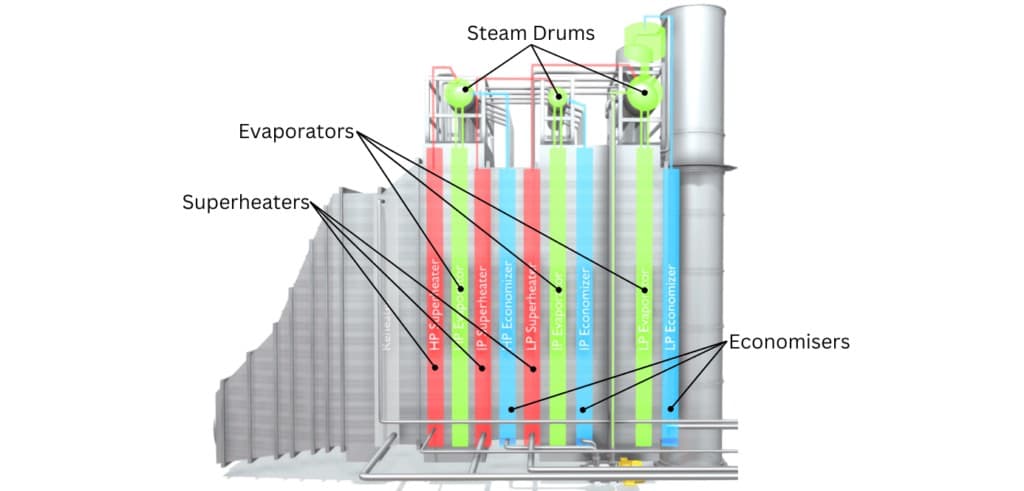
HRSG & Waste Heat Recovery: How Industrial Plants Are Cutting Energy Bills by 20–35%
If your dryer or furnace is exhausting at 400°C and you're not capturing that heat, you're effectively burning money every hour you operate. This guide explains how HRSG systems work, where the economics stack up, and what data you need to do a proper feasibility.
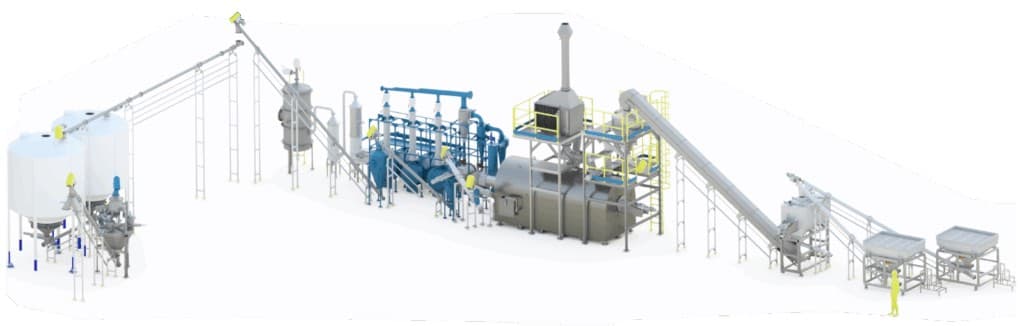
Why Pyrolysis Investment in Europe Is Accelerating — And What Equipment Projects Actually Need
European chemical recycling capacity is forecast to grow from 800,000 t/year in 2025 to over 3 million t/year by 2028 — driven by three regulatory mandates that are no longer optional. If you're evaluating a pyrolysis project, here's what's actually driving the economics and what the equipment scope looks like for plastic, tyre, and biomass feedstocks.
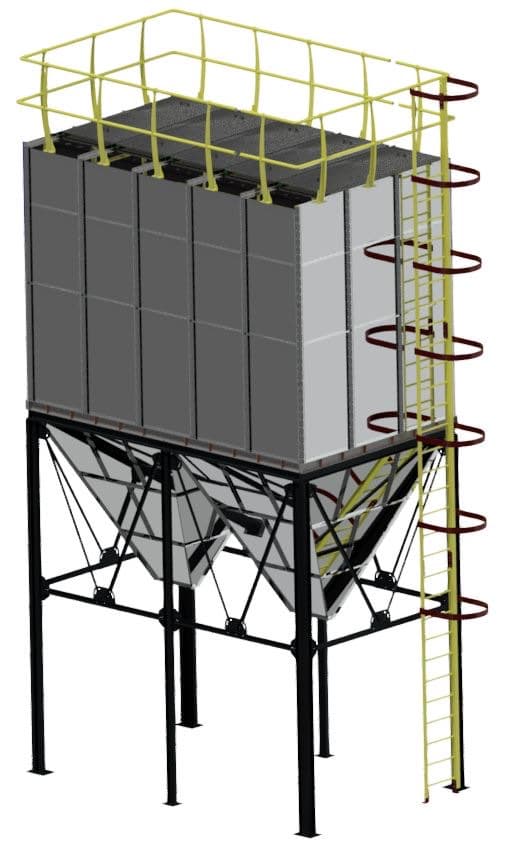
Bag Filter vs Cyclone Separator: How to Choose the Right Dust Collection System
Dust collection is rarely the glamorous part of a process design — but get it wrong and you'll face permit violations, product losses, and maintenance headaches for the life of the plant. This guide cuts through the confusion between cyclones and bag filters so you make the right call from the start.
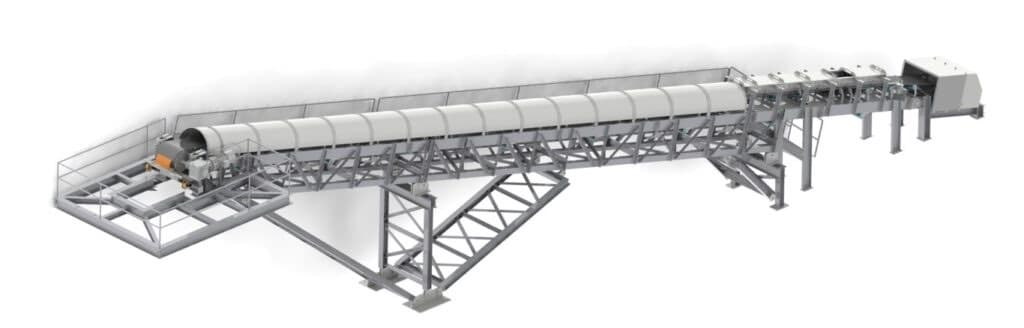
Lozzar Process Now Serving DACH Markets: What German, Austrian and Swiss Buyers Get
DACH-region process engineers have long had access to high-quality domestic equipment manufacturers — but at a significant price premium. With Lozzar Process now active in Germany, Austria and Switzerland, the same Ermak Proses equipment quality is available with local-language technical support, German documentation, and a price point that changes the capex equation.
Industrial Evaporators Compared: Falling Film, Forced Circulation and MVR — Which One Do You Need?
Three evaporator technologies handle 90% of industrial liquid concentration needs. Most engineers default to one without really comparing. But the wrong choice can double your energy bill or foul your heat exchanger within weeks. Here's how to choose correctly.
€420,000/Year in Energy Savings: A Biomass Plant Heat Recovery Project in Poland
A biomass district heating operator in Łódź, Poland was running a 12 MW boiler and exhausting 310°C flue gas to atmosphere — while simultaneously purchasing steam for process heating nearby. Connecting those two facts with an HRSG delivered €420,000 in annual savings and paid back in 21.5 months.
How to Write a Better RFQ for Process Equipment (And Why Most Don't)
We receive hundreds of RFQs per year. The ones we can price accurately in 3 days are a minority. Most need 2–3 rounds of clarification — adding weeks to the supplier selection process and introducing errors. Here's the exact data we need, by equipment type, to give you a reliable quote fast.
Biomass Drying for Energy: Why Moisture Is the Single Biggest Variable in Your Plant's Economics
Fresh wood chips at 50% moisture have a net calorific value of about 8 MJ/kg. Dried wood chips at 10% moisture: 15.7 MJ/kg. That's nearly double the energy output per tonne — from the same material, after drying. For a biomass plant operator, this is not a minor efficiency gain. It's the difference between a viable fuel and an expensive one.
Pyrolysis Technology Explained: What It Is, What It Produces, and When It Makes Economic Sense
Pyrolysis is having a moment — driven by PPWR regulations, tyre EPR schemes, and the emerging voluntary carbon market for biochar. But it's also one of the most misunderstood technologies in the waste treatment sector. This guide gives you the engineering reality: what the process actually delivers, which feedstocks work, and how to think about the economics.
5 Proven Ways to Cut Industrial Dryer Energy Costs — Without Replacing the Equipment
Energy represents 60–80% of a dryer's total operating cost. At today's European gas prices, a 10 t/h rotary dryer can consume €800,000–1,200,000 in fuel annually. This article covers five practical interventions — most requiring no capital expenditure at all — that can reduce that number by 20–35%.
From ±1.4% to ±0.12% Moisture: How a Fluidized Bed Dryer Solved a Quality Crisis in a Hungarian NPK Plant
€180,000 per year in rejected and reworked product. That was the annual cost of running a worn-out rotary dryer on a tight-tolerance NPK granulation line. The fix wasn't to repair it — it was to replace it with the right technology. Here's what happened when we switched to a fluidized bed dryer.
New Pyrolysis Systems Range: Five Standard Capacities from 500 kg/h to 10 t/h
European demand for pyrolysis technology has grown significantly over the past 18 months — driven by tyre EPR schemes, PPWR-related plastic waste mandates, and the voluntary biochar carbon market. To meet that demand with shorter lead times and more predictable pricing, we've structured the Ermak Proses pyrolysis range into five standard capacity configurations.
Why Fertilizer Granules Cake — and What Your Dryer and Cooler Must Deliver to Prevent It
Caked fertilizer is unsaleable fertilizer. A single bulk shipment that arrives solidified costs more in product claims and customer relationship damage than the dryer upgrade that would have prevented it. The root cause is almost always the same: outlet moisture above 0.5%, or product temperature above 40°C at bagging. Here's exactly what the dryer and cooler must deliver — and why it matters which technology you specify.
Why We Started Lozzar Process — And What It Means for European Engineers
Ermak Proses has been manufacturing industrial drying, heat transfer and process equipment in Istanbul for over 20 years — to European engineering standards, CE marked, exported worldwide. The problem was access: European engineers had no simple path to this manufacturing capability. Lozzar Process was created to solve that.